

















Game in 10




The Return of the MLHS Podcast
More Toronto Maple Leafs Coverage

Jim Montgomery on Auston Matthews’ impact on the series: “I’ve been impressed by how...
On an off-day between Games 2 and 3, Bruins head coach Jim Montgomery discussed losing defenseman Andrew Peeke for the rest of the series,...

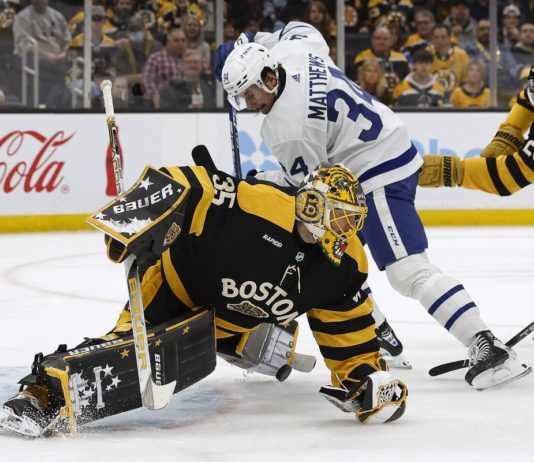
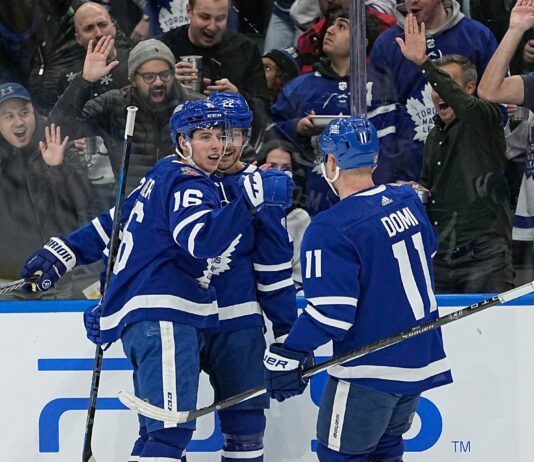
Game 2 Analysis: Auston Matthews drives the Leafs to victory
In need of a big win to even the series, the Toronto Maple Leafs leaned on the brilliance of their best player and got...
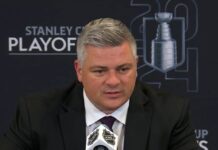
Sheldon Keefe Post Game, Leafs 3 vs. Bruins 2: “I loved [the Matthews] line,...
Sheldon Keefe addressed the media after the Maple Leafs' 3-2 win over the Boston Bruins in Game 2 of the ECQF playoff series.
On the...

Jim Montgomery Post Game, Leafs 3 vs. Bruins 2: “We are not playing fast...
Jim Montgomery addressed the media after the Maple Leafs' 3-2 win over the Boston Bruins in Game 2 of the ECQF playoff series.
On how...
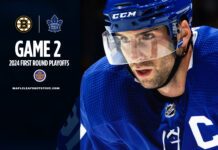
Toronto Maple Leafs vs. Boston Bruins — Game #2 Preview, Projected Lineups & TV...
Following a frustrating Game 1 in which many familiar playoff issues reared their ugly heads, the Maple Leafs will need a cleaner and tighter...
